In the vibrant and often sweltering climate of Parramatta, NSW, a reliable and efficient air conditioning system isn't just a luxury; it's a necessity. As we move through 2025, the demand for effective cooling solutions continues to rise, driven by hotter summers and a greater appreciation for indoor comfort. However, when it comes to investing in a new system, one of the most critical decisions you'll face is choosing the right size air conditioning installation. This isn't a 'one-size-fits-all' scenario, and getting it wrong can lead to a host of problems, from inflated energy bills to inadequate cooling and premature system failure.
Many homeowners and businesses in Parramatta underestimate the complexity involved in correctly sizing an air conditioner. It's far more intricate than simply matching the system to the square footage of your space. A truly effective and efficient cooling solution requires a detailed assessment by an experienced air con installer, taking into account numerous environmental and structural factors specific to your property.
Why Proper Air Conditioning Sizing is Crucial
The consequences of an incorrectly sized air conditioning system are significant and can impact your comfort, your wallet, and the lifespan of your unit. Let's delve into why getting the size right is absolutely paramount.
The Dangers of an Oversized Air Conditioning System
While it might seem logical that a larger unit would cool your home faster and better, an oversized air conditioner is actually detrimental. Here’s why:
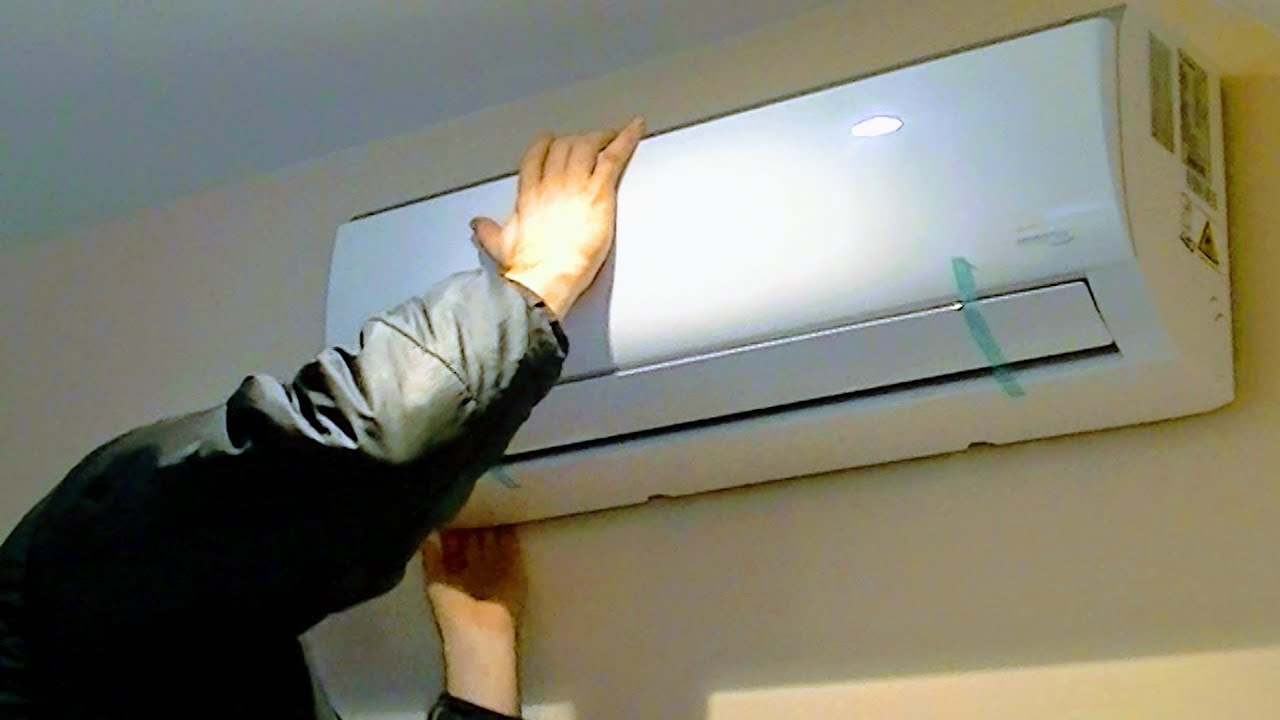
- Short Cycling: An oversized unit cools the space too quickly, reaching the thermostat's set temperature before it has a chance to complete a full cooling cycle. This leads to frequent on-off cycles, known as "short cycling." Poor Dehumidification: Air conditioners don't just cool; they also remove humidity. A system that short cycles doesn't run long enough to effectively extract moisture from the air, leaving your home feeling clammy and uncomfortable, even if the temperature is low. This can also encourage mould and mildew growth, a particular concern in humid Parramatta. Increased Energy Consumption: Each time an air conditioner starts up, it draws a significant amount of power. Frequent short cycling means more startups, leading to higher electricity bills despite the unit not running for extended periods. Premature Wear and Tear: The constant stopping and starting put immense stress on the compressor and other vital components, significantly reducing the lifespan of your unit and increasing the likelihood of requiring early air conditioning repair. Temperature Swings: Rapid cooling followed by long off periods can result in noticeable temperature fluctuations, making it difficult to maintain consistent comfort.
The Problems with an Undersized Air Conditioning System
Conversely, a system that is too small for your space will struggle to meet the cooling demand, especially during Parramatta's peak summer heat. This leads to its own set of issues:
- Constant Running: An undersized unit will run continuously, trying to reach the thermostat setting but often failing, particularly on the hottest days. Inadequate Cooling: Despite running non-stop, the system may simply not be powerful enough to cool your home to a comfortable temperature, leaving you hot and frustrated. Higher Energy Bills: A unit that constantly runs consumes a tremendous amount of electricity, leading to exorbitant energy costs. Reduced Lifespan: Just like an oversized unit, an undersized air conditioner that is constantly working overtime will experience accelerated wear and tear, leading to breakdowns and the need for frequent air conditioning repair or even premature replacement. System Strain: The compressor and other components are under constant strain, which can lead to overheating and mechanical failures.
Key Factors Influencing Air Conditioning Sizing in 2025
Accurate air conditioning sizing goes beyond a simple rule of thumb. It requires a detailed calculation, often referred to as a "load calculation," which considers all sources of heat gain and loss within a building. Here are the critical factors an expert air con installer will evaluate:
Building Size and Layout: This is the starting point. The total square footage (or cubic metres) of the conditioned space, along with ceiling heights and the number of rooms, provides a foundational understanding of the area to be cooled. Insulation Levels: The quality of your home's insulation in walls, ceilings, and floors is paramount. Well-insulated homes retain cool air more effectively, reducing the load on your AC. In 2025, building standards under the National Construction Code (NCC) continue to emphasise energy efficiency, meaning newer homes in Parramatta likely have better insulation than older ones, which might require less cooling capacity per square metre. Window Specifications: Windows are significant sources of heat gain. Factors include:- Number and Size: More and larger windows mean more heat transfer. Orientation: North and west-facing windows receive more direct sunlight, especially in the afternoon. Glazing Type: Single, double, or even triple glazing significantly impacts heat transfer. Low-emissivity (Low-E) coatings, increasingly common in 2025, also play a role. Shading: External awnings, internal blinds, and trees provide natural shading, reducing solar gain.
Understanding Cooling Capacity: BTUs and Kilowatts
Air conditioning capacity is primarily measured in British Thermal Units (BTUs) per hour or kilowatts (kW). In Australia, kW is the standard unit you'll see on specifications and energy labels.
- BTUs: A BTU is the amount of heat required to raise the temperature of one pound of water by one degree Fahrenheit. For ACs, it represents the amount of heat the unit can remove from a space per hour. Kilowatts (kW): A more familiar metric in Australia, kW measures the rate of energy transfer. A common conversion is that 12,000 BTUs per hour is roughly equivalent to 3.5 kW (or one 'ton' of cooling capacity).
While there are general guidelines (e.g., 100-150 BTUs per square metre), these are very rough estimates. For instance, a 20 square metre room might typically require a 2.5 kW unit, but depending on the factors listed above, it could need anything from 2.0 kW to 3.5 kW or more. This illustrates why a professional assessment is indispensable.
Types of Air Conditioning Systems and Sizing Considerations
The type of system you choose also influences sizing and how capacity is distributed:
Split Systems: Ideal for single rooms or open-plan areas. Sizing here involves calculating the load for that specific zone. If you have multiple split systems, each needs to be individually sized for its respective area. Multi-Split Systems: These use one outdoor unit connected to multiple indoor units, each independently controlled. Sizing requires calculating the individual loads for each indoor unit's zone and ensuring the outdoor unit has sufficient combined capacity to run them efficiently, often with some diversity (not all units running at peak simultaneously). Ducted Systems: A whole-home solution where a central unit cools air distributed through ducts to various zones. Sizing for ducted systems is the most complex, involving a comprehensive load calculation for the entire property, factoring in duct design, and often incorporating zoning capabilities to allow different areas to be controlled independently.The Professional Assessment: Your Parramatta Air Con Installer's Role
Given the complexity, attempting to size an air conditioning system yourself https://jsbin.com/qekoqivolo is a recipe for disappointment and expense. This is where a qualified and experienced air con installer in Parramatta becomes your most valuable asset. A reputable installer will:
- Conduct a Thorough Site Visit: They will physically inspect your property, measuring rooms, assessing insulation, window types, and orientations, and noting any specific heat sources. Perform a Detailed Load Calculation: Using industry-standard software and methodologies (like the Manual J calculation in North America, adapted for Australian conditions), they will meticulously calculate the required cooling capacity in BTUs or kW. This is a scientific process, not guesswork. Consider Your Lifestyle and Preferences: Do you have specific comfort requirements? Are there areas you use more frequently? An installer will factor this into their recommendations. Recommend the Right System Type: Based on the load calculation and your property's characteristics, they will advise on the most suitable system (split, multi-split, or ducted) and the ideal layout for optimal performance. Adhere to 2025 Regulations: They will ensure the chosen system complies with current Australian Minimum Energy Performance Standards (MEPS) and any local Parramatta council regulations, which are continuously evolving towards greater energy efficiency.
Modern Technologies and Future Trends in 2025 and Beyond
The air conditioning landscape is constantly evolving. In 2025, several technologies are standard, and future developments are already on the horizon:
- Inverter Technology: Most modern AC units, particularly split and multi-split systems, now feature inverter technology. This allows the compressor to vary its speed, providing precise cooling and heating, rather than simply turning on and off. This significantly improves energy efficiency and maintains more consistent temperatures, making accurate sizing even more effective. Smart Home Integration: Many new systems offer smart features, allowing control via smartphone apps, voice assistants, and integration with broader smart home ecosystems. This provides greater control, scheduling capabilities, and even energy usage monitoring, helping you optimise your perfectly sized system. Zoning Capabilities: For ducted systems, advanced zoning allows you to cool or heat specific areas of your home independently. This is a huge energy saver and comfort enhancer, ensuring you only condition the spaces you're using. Energy Efficiency Ratings (Z-rating): Australia's Z-rating system, which provides a star rating for different climate zones, helps consumers compare the energy efficiency of units. As of 2025, these ratings are becoming more sophisticated, and future regulations (e.g., 2026 and beyond) are expected to push for even higher minimum efficiency standards. Refrigerant Evolution: While R32 has largely replaced older refrigerants like R410A due to its lower global warming potential, research and development continue for even more environmentally friendly refrigerants, which may see broader adoption in the latter half of the decade.
Beyond Installation: The Importance of Ongoing Air Conditioner Maintenance
Even a perfectly sized and expertly installed air conditioning system requires ongoing care to perform optimally. Regular air conditioner maintenance is crucial. This includes:
- Filter Cleaning/Replacement: Dirty filters restrict airflow and reduce efficiency. Coil Cleaning: Evaporator and condenser coils can accumulate dirt, hindering heat exchange. Drainage Inspection: Ensuring condensate drains are clear prevents water leaks and mould growth. Refrigerant Level Checks: Low refrigerant can indicate a leak and reduce cooling capacity. System Diagnostics: A professional air conditioning service technician can identify potential issues before they become major air conditioning repair problems.
Consistent maintenance ensures your investment in a correctly sized system continues to deliver maximum efficiency and comfort for years to come.
Conclusion: Invest in Expert Air Conditioning Installation for Parramatta Comfort
Choosing the right size for your air conditioning installation is arguably the most critical step in ensuring long-term comfort, energy efficiency, and system longevity for your Parramatta home or business. An undersized unit will struggle to cool, while an oversized one will short cycle, both leading to discomfort, higher running costs, and premature breakdowns. In 2025, with advanced technologies and evolving energy standards, the need for professional expertise is greater than ever.

Don't leave this vital decision to chance or rely on simplistic online calculators. Engage a local, reputable air con installer in Parramatta who can perform a thorough, accurate load calculation tailored to your specific property. This expert assessment is your guarantee of a cooling system that performs efficiently, provides consistent comfort, and stands the test of time, ensuring you stay cool and comfortable through every Parramatta summer for many years to come.